Diets containing corn are linked to longevity and eye health
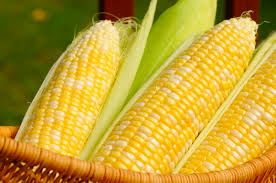
CORN (Zea Mays), Spanish for corn, has been a staple food in South, Central and North America for thousands of years.
Corn comes in many colors, including red, pink, black, purple, multicolor and blue.
Nutrition Facts
One large cooked cob of sweet yellow corn (about 118 grams) contains approximately the following calories: 29.6 grams carbohydrate; 3.9 grams protein; 1.5 grams fat; 3.3 grams dietary fiber. thiamin 0.3 milligrams (17 percent DV) folic acid 54.3 micrograms (14 percent DV),vitamin c7.3 milligrams (12 percent DV),niacin 1.9 milligrams (10 percent DV), 1 milligram of pantothenic acid (10 percent DV), 88.5 milligrams of vitamin C (9 percent DV), 0.2 milligrams of manganese (7 percent DV), 310 milligrams of vitamin A (5 percent DV); 0.7 milligrams of vitamin B6 (4 percent DV) (3 percent DV) and 0.1 milligrams of copper (3 percent DV).
In addition, big corn contains vitamin E, vitamin K, choline, calcium, selenium, omega-3 and omega-6. Health Benefits
Obesity, high blood pressure and insulin resistance are now common among Ghanaians. Recent reports suggest that about 35% of Ghanaians suffer from high blood pressure.
The search for solutions to the causes of increasing hypertension and diabetes seems to lie in our kitchens. Studies by Kwon et al. (2007) for example found that the change in the eating habits of these people towards more caloric foods, sugar, refined grain flours and sweetened beverages poses much greater health risks than their previous diet, which was based mainly on maize, legumes, rice and vegetables.
This means that to prevent the rise in hypertension and other diseases, we need to move away from the Western diet and adopt a traditional diet that includes maize products such as banku, kenkey and akpul. Researchers believe that a return to traditional eating habits may provide a better balance between calories and beneficial nutrients, which could help alleviate these disease problems.
They point out that staple foods such as corn and legumes have antidiabetic, antioxidant and blood pressure lowering properties. These foods also contain certain protective phenolic phytochemicals that have a positive effect on heart health, reverse high blood pressure as a natural remedy for hypertension and control blood sugar levels.
Eye Health
Three studies (Abdel-Aal et al., 2013; Moeller et 2000; Carpentier et al., 2009) have found that consuming antioxidants, especially carotenoids such as zeaxanthin and lutein, can promote eye health. Three studies (Kean et al., 2008; Hu et al., 2011; Maiani et al., 2009) found that lutein and zeaxanthin are the major carotenoids in corn, accounting for about 70% of the total carotenoid content; however, their levels are lower in white corn. Colored corn is a great choice for people with eye problems looking for foods that are good for eye health.
Three observational studies (Vu et al., 2006; Seddon et al., 1994; Cho et al., 2008) found that high dietary intakes of lutein and zeaxanthin may have a protective effect, but not all studies are consistent with this assumption.
An older study by Seddon et al. However, H.R. et al. (1994) found that in a study of 356 middle-aged or older adults, those with the highest intakes of carotenoids, particularly lutein and zeaxanthin, had a 43 percent reduced risk of macular degeneration compared with those with the lowest intakes. Latex foam
This means that you should take your diet containing corn seriously.
In addition, corn is implicated in the diet of people who have eye problems.

Corn, weight
Levy, J (2019) explained in an article that this should not be the case, based on what is seen in populations that eat large amounts of raw corn. Corn is low in calories and high in nutrients. A large ear of corn has only about 127 calories, making it a wise addition to a healthy diet. "In fact, this is less than most grains and is roughly the same as eating a nutritious banana, except corn has much less sugar and more protein and fiber."
Corn, diabetes
A study by Tay et al. (2015) found that a low-carbohydrate diet is more effective in treating diabetes. The study involved 115 adults with obesity and type 2 diabetes and found that a diet with only 14 percent of calories from carbohydrates led to more stable blood sugar levels and reduced medication needs compared to a diet with 53 percent of daily calories from carbohydrates.
Levy, J (2019) argues that reducing the intake of other corn products, especially high fructose corn syrup, may help prevent diabetes.
For example, a study by Goran et al. (2013) found that the prevalence of diabetes was 20% higher in countries where high fructose corn syrup was readily available compared to areas where the syrup was not readily available. A study from the past 24 years by Bertoia et al. (2015) from Harvard University on 133,468 adults found that each additional serving of corn per day was associated with a weight gain of 2 pounds (0.9 kg) over a 4-year period.
Potatoes, peas, and other starchy vegetables contributed less to weight gain. However, studies have found different results. Excessive consumption of corn can spike blood sugar levels, causing weight gain. People with diabetes or trying to lose weight should limit their intake. It would also reduce consumption of maize-based Ghanaian foods, especially banku. A Ghanaian study by Eli Cophie et al. (2017) for example, revealed that Banku has a glycemic index of 73 and Kenkey 41.
This means that Kenkey is good for diabetics despite being a maize-derived food. Banku, on the other hand, has too high a glycemic index despite being made from maize. However, diabetics should be careful about the size of the banku they eat.


No comments:
Post a Comment