atOptions = { 'key' : '204ce2300e6c124864dbdb22b80b6814', 'form

Saturday, June 15, 2024


Ultra-processed foods may be healthier than you think


 If you pay attention to your health when it comes to your diet, there are some basic rules to follow. Conventional wisdom says you should avoid ingredients that are overly processed. Some might think  this applies even more to highly processed foods. This terminology refers to foods that, in the words of the British Heart Foundation, "contain multiple ingredients that are typically never or rarely found in your kitchen." But as with many things related to nutrition in 2024, the reality may be a bit more complicated. 


A recent Business Insider article by Hilary Brooke quotes scientist Kevin Hall as pointing out that highly processed foods that contain healthy ingredients can still be good for you. He noted that you should look for three key ingredients: whole grains, legumes, and non-starchy vegetables. "I think we can still make an informed decision," Hall said.   Hall was referring to the NOVA NOVA system for classifying foods according to their level of processing. NOVA 4 stands for highly processed foods. "Some of these NOVA 4 products contain a lot of the good things that we traditionally associate with nutrition and very little of the bad," he told Business Insider. 


Hall is not the only expert in the field who argues that some highly processed foods are not as unhealthy as the label suggests. Last month, The New York Times quoted Maya Buddy bellow of the University of Rhode Island in an article about highly toxic foods. Buddy bellow told Times staff writer Alice Callahan that some foods in this category (such as, in Callahan's words, "whole-grain bread, flavored yogurt, and infant formula") contain healthy nutrients. 

Knowing where your food comes from is a step toward health, but it's not the only one. And knowing what to look for on convenience food labels can  go a long way toward improving your nutrition. READ MORE

Friday, June 14, 2024


Stop mixing protein with everything

We live in a time when protein is important, and many of us are eating too much of it. 


Our appetite for protein is out of control, which is odd, considering this nutrient is supposed to be filling. There's protein in everything these days. While protein bars and shakes are still widely available, they seem a bit outdated compared to new products on the market: high-protein pancake mixes, breakfast cereals, breads, ice cream, and even water. Yes, protein-rich water. How did we get here?  The Protein Boom  We weren't always obsessed with protein. In the '80s and '90s, mainstream nutrition messaging got us scared of fat. The low-fat,  high-carb diets of the 1990s were then replaced by low-carb, high-protein diets like Atkins. Keto and Paleo soon followed, further fueling the enthusiasm for protein protein


If you can get enough from your regular diet, you can also add it to your smoothies. According to Grand View Research, the global protein supplements market is expected to be valued at $5.83 billion in 2022, growing at an annual rate of 8% from 2019 to 2022.   2023  to 2030. In the United States alone, the market is valued at $2.1 billion in 2021. Similar to our unquenchable craving for proper hydration, we are experiencing a protein mania fuelled by marketing and the unattainable idea of ​​“health.” When it comes to protein,  We work by the motto "more is better."


 Too much protein 

According to the latest Dietary Guidelines for Americans, people age 9 and older should consume 140-200 grams of protein per day, depending on their caloric intake. And 57% of the U.S. population meets or exceeds this recommendation. When the new Dietary Guidelines for Americans was released in 2016,  boys and men were advised to reduce their protein intake. 


However, protein-energy malnutrition or protein deficiency remains a global health problem and correlates with  socioeconomic class and age. According to a 2022 study, about 56 percent of child deaths in developing countries are due to protein protein

Is it okay to eat too much protein? Protein is an important part of our diet, providing us with essential amino acids, some of which can only be found in food. Protein supports muscles, hair, bones, and several important processes in the body. It also helps  you feel fuller longer, which is why it's touted as a weight loss agent. Eating it with carbohydrates can also help prevent blood sugar spikes. But consuming too much protein doesn't necessarily help you build muscle or lose unwanted weight. 

Recommended protein intake varies by body size and activity level, but there's a limit to how much your body can process. Your body can only process about 15-30 grams of protein at a time. That's about three eggs, one Greek yogurt, or about 85-110 grams of chicken breasts.READ MORE

Thursday, June 13, 2024


Eating this common food makes you weaker


 The  study  also showed that highly processed foods make people weak and frail. 


A  study  published in the American Journal of Clinical Nutrition has raised alarm among people who enjoy highly processed foods, as some good foods may have negative health effects. 

Another study published in the British Medical Journal found that about 60% of Americans' energy sources come from highly .processed foods. 

These products include snacks, sodas, pasta, ready-to-eat meals, and products that contain a long list of undetectable ingredients and preservatives, according to a report in Newsweek magazine. 


Eating such foods makes people more susceptible to unhealthy lifestyles and a variety of neurological, cardiovascular, and other diseases.  The  study  also found that it makes people weaker and frail. 

It is a condition that affects about 15% of adults over 65  in the United States, and is accompanied by reduced responsiveness and adaptability to activity and injury, reduced muscle strength, increased susceptibility to stressors, and a variety of other physical changes. 

The study, led by Theresa Phan of the Harvard TH Chan School of  Public Health, found that "highly processed foods (daily intake) are directly associated with risk of frailty," the researchers wrote. "We found that each  day of intake of artificial and sugar-sweetened beverages, fats, spreads and condiments, yogurt and milk-based desserts, and other highly processed foods increased the risk of frailty." 

"Our study highlights the significant impact of diet on frailty risk in older women," one researcher wrote. 

"This suggests that  not only what we eat but also the level of food processing  may play an important role in aging and physical function physical function."

READ MORE

Wednesday, June 12, 2024

 Can a flexitarian diet help you live longer? 


Scientists have long advised people to eat more vegetables if they want to live a healthier, longer life. longer life. 

But recent research has found that not eating too much meat can also help. 

In an interview with Newstalk Breakfast, nutritionist Sarah Keogh from Eatwell.ie said that a healthy diet could reduce the risk of  cancer by 10%. 

"The study didn't specifically look at putting people on a flexitarian diet to see what happens," she says. "They looked at the data -- very good, hard data -- to see what policies had incorporated flexitarianism  and what came out of that. 

 "They discovered that those with healthier diets, or those who consumed more fruits and vegetables, lived longer.  lived longer. 

"People who ate more whole grains, more fruits and vegetables, more fiber, and then reduced their intake of snacks and things like that, had less cancer and less heart disease." 

Dairy cows eating in a dairy manger / Minnesota, USA. (Image credit: © Steve Woit/Design Pics via ZUMA Wire) 


But the study  also warned that there are big benefits to including meat in your diet. 

"They looked at the nutritional needs of men," Keogh said. "They looked at the nutritional needs of men," Keogh said. " "After reanalyzing them, they discovered that the iron content was half that of women. 

 "Zinc levels and calcium levels were  lower.  "A reassessment last year led me to the conclusion that if I really wanted to reach my nutrition goals, I probably needed to eat more dairy and meat.

"Also, this diet is very low in calcium, and we know that people who eat vegan, plant-based diets have a 30% increase in fractures, so we need to be very careful." 

Quitting meat reduces your carbon footprint, but it's not the only dietary change  that can help the planet, says Keogh. says Keogh. 

"There are two  things that are rapidly affecting your carbon footprint," she says. "Firstly, cut down on snacks, crisps, biscuits and cakes. These produce a lot of carbon dioxide and are not necessary in your diet. 

"So before you cut out nutrients like iron and calcium, try cutting back on the snacks. 

"Secondly, food waste. If this were a country, it would be the third largest producer of carbon dioxide in the world." 

Food waste accounts for 8-10% of  global carbon dioxide emissions 

READ NOREREAD NORE

Tuesday, June 11, 2024

 HEALTH AND SUPPLEMENTS


Vitamin D is not a screening test and there is no need to regularly test for this important vitamin that is good for bones and the heart, doctors said as part of the new guidelines of the  Endocrine Society.   . It is an important micronutrient that is important for bone and tooth development and for the normal functioning of the immune system. Several studies have linked its deficiency with common diseases such as musculoskeletal disorders, metabolic disorders, cardiovascular diseases, malignancies, autoimmune diseases and infectious diseases. MORE
 

This has led to the widespread use of dietary supplements and increased clinical testing in the general population. The Endocrine Society issued new guidelines this week advising against vitamin D testing and vitamin D supplementation for healthy adults up to the age of 75. 
The committee also recommended against routine 25-hydroxyvitamin D testing in generally healthy individuals if they have no other symptoms. "Vitamin D is probably taken by almost everyone involved in health, nutrition, health advisors etc. but we have  no idea what impact high concentrations or high doses of vitamin D have," Dr. Purlenu Chauhan, consultant and head of endocrinology, PD Hinduja Hospital told IANS. He regretted that laboratories are  offering the test in  packages. 


Monday, June 10, 2024

 HEALTH AND SUPPLIMENTS

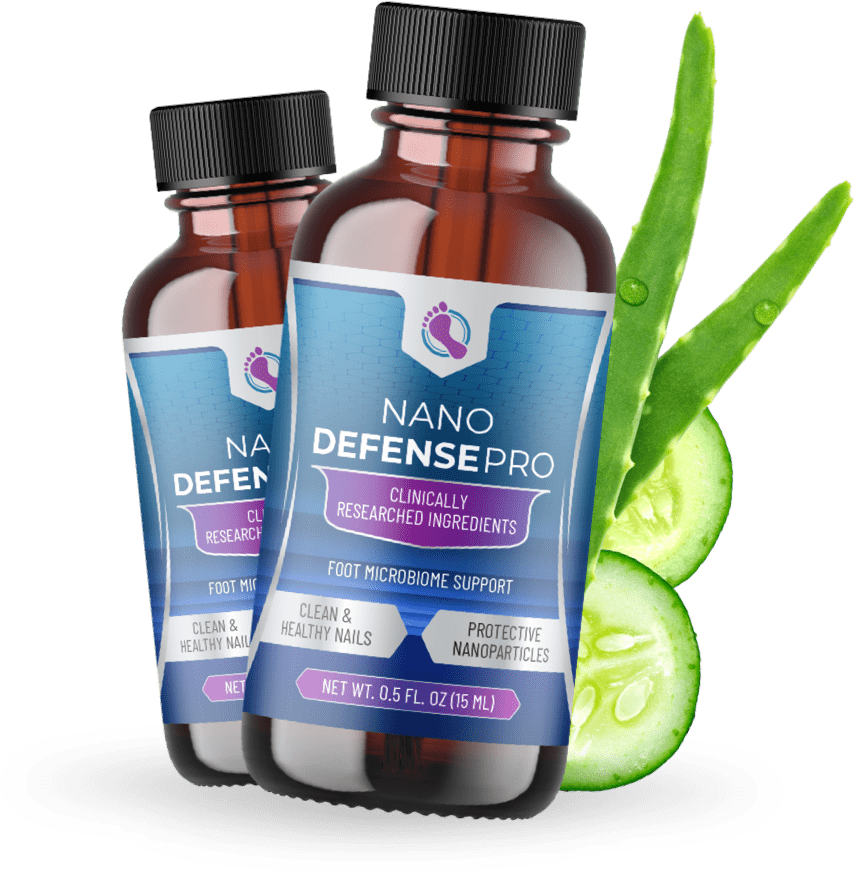
Nano Defense Pro for Skin and Nails

Nano Defense Pro for Skin and Nails is an innovative, advanced protective solution designed to enhance the health and resilience of your skin and nails. Utilizing cutting-edge nanotechnology, this product offers long-lasting antimicrobial protection, promoting overall skin and nail health while preventing common issues such as infections and irritations.

Key Features:

  1. Advanced Nanotechnology

    • Integrates state-of-the-art nanotechnology to provide a robust antimicrobial shield.
    • Effective against a broad spectrum of microorganisms, including bacteria, viruses, and fungi.
  2. Long-Lasting Protection:

    • Offers extended antimicrobial protection, reducing the risk of infections and promoting healthier skin and nails.
    • Sustains its protective properties even with regular washing and exposure to environmental elements.
  3. Hydrating and Nourishing:

    • Enriched with moisturizing agents to keep skin and nails hydrated and nourished.
    • Helps prevent dryness, cracking, and other common issues associated with skin and nail health.
  4. Safe and Gentle Formula:

    • Formulated with non-toxic, skin-friendly ingredients suitable for all skin types, including sensitive skin.
    • Free from harsh chemicals, parabens, and synthetic fragrances, ensuring a gentle application.
  5. Easy Application:

    • Available in convenient forms such as sprays, creams, or serums for easy and precise application.
    • Quickly absorbs into the skin and nails, leaving no sticky or greasy residue.
  6. Versatile Use:

    • Ideal for everyday use, whether at home, work, or on the go.
    • Suitable for use on hands, feet, and other areas prone to microbial exposure.

Benefits:

  • Enhanced Skin Health: Maintains a healthy skin barrier, reducing the likelihood of infections, irritations, and other skin conditions.
  • Stronger Nails: Promotes stronger, healthier nails, minimizing breakage and brittleness.
  • Peace of Mind: Provides confidence in daily activities by offering an additional layer of protection against environmental pathogens.

How to Use:

  • Skin Application: Cleanse the skin thoroughly before applying Nano Defense Pro. Apply a small amount to the desired area and gently massage until fully absorbed. Use as part of your daily skincare routine.
  • Nail Application: Clean and dry nails before application. Apply a thin layer of Nano Defense Pro to the nails and cuticles, allowing it to absorb completely. Use regularly for best results.

Why Choose Nano Defense Pro for Skin and Nails?


Natural Formula


Non-GMO


Easy To Use


No Stimulants


Nano Defense Pro for Skin and Nails is a superior choice for those seeking advanced protection and care for their skin and nails. Its unique blend of nanotechnology and nourishing ingredients ensures effective antimicrobial defense while promoting overall health and well-being. Whether you are looking to protect your skin from everyday exposure or strengthen your nails, Nano Defense Pro provides a reliable, easy-to-use solution that integrates seamlessly into your daily routine

please ORDER NOW ORDER NOW


Friday, June 7, 2024

 Health And Supplements


Dominate The Male Enhancement Niche Today with Aizen Power
Supplements - Health


About Aizen Power

Aizen Power is a monster-converting male enhancement supplement, guaranteed to put huge profits in your pocket!

Its unique angle is based on a little-known gene that once activated, has the power to trigger massive growth and girth.

This one-of-a-kind male enhancement product is based on an exclusive list of 11 essential hyper-growing ingredients, meant to awaken the dormant penis-growth gene and put it to work. Once awakened, the results will be massive!

Audiences That Do Well

  • Men over 25+, with predisposition of buyers being slightly older (35-45+), medium level education.
  • Based on our traffic sources reported users, the average user is a 39+ millennial, mobile user.
  • 35%-40% suffer from ED or prostate problems, sexual insecurity, fear of being rejected, emotional problems, fear of growing old, etc.
  • Additional affections: diabetes, high cholesterol and high blood pressure
  • 52% college attended
  • 82% homeowners
  • 74% shop online for books, vitamins, software, travel
  • Psychological factors: stress, anxiety, depression, loneliness.

A Physician Says These 5 Morning Routines Could Be Triggering a Cortisol Surge

Physician Cautions That These 5 Typical Morning Routines Could Be Surreptitiously Harming Your Well-Being: “It's A Cortisol Surge” Most ...