atOptions = { 'key' : '204ce2300e6c124864dbdb22b80b6814', 'form

Monday, July 22, 2024

 Diets containing corn are linked to longevity and eye health
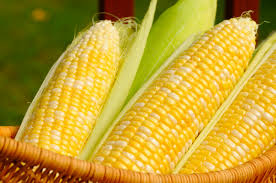


CORN (Zea Mays), Spanish for corn, has been a staple food in South, Central and North America for thousands of years.

Corn comes in many colors, including red, pink, black, purple, multicolor and blue.

Nutrition Facts

One large cooked cob of sweet yellow corn (about 118 grams) contains approximately the following calories: 29.6 grams carbohydrate; 3.9 grams protein; 1.5 grams fat; 3.3 grams dietary fiber. thiamin
0.3 milligrams (17 percent DV) folic acid 54.3 micrograms (14 percent DV),vitamin c7.3 milligrams (12 percent DV),niacin 1.9 milligrams (10 percent DV), 1 milligram of pantothenic acid (10 percent DV), 88.5 milligrams of vitamin C (9 percent DV), 0.2 milligrams of manganese (7 percent DV), 310 milligrams of vitamin A (5 percent DV); 0.7 milligrams of vitamin B6 (4 percent DV) (3 percent DV) and 0.1 milligrams of copper (3 percent DV).

In addition, big corn contains vitamin E, vitamin K, choline, calcium, selenium, omega-3 and omega-6. Health Benefits
Obesity, high blood pressure and insulin resistance are now common among Ghanaians. Recent reports suggest that about 35% of Ghanaians suffer from high blood pressure.

The search for solutions to the causes of increasing hypertension and diabetes seems to lie in our kitchens. Studies by Kwon et al. (2007) for example found that the change in the eating habits of these people towards more caloric foods, sugar, refined grain flours and sweetened beverages poses much greater health risks than their previous diet, which was based mainly on maize, legumes, rice and vegetables.

This means that to prevent the rise in hypertension and other diseases, we need to move away from the Western diet and adopt a traditional diet that includes maize products such as banku, kenkey and akpul. Researchers believe that a return to traditional eating habits may provide a better balance between calories and beneficial nutrients, which could help alleviate these disease problems.

They point out that staple foods such as corn and legumes have antidiabetic, antioxidant and blood pressure lowering properties. These foods also contain certain protective phenolic phytochemicals that have a positive effect on heart health, reverse high blood pressure as a natural remedy for hypertension and control blood sugar levels.
 

Eye Health
Three studies (Abdel-Aal et al., 2013; Moeller et 2000; Carpentier et al., 2009) have found that consuming antioxidants, especially carotenoids such as zeaxanthin and lutein, can promote eye health. Three studies (Kean et al., 2008; Hu et al., 2011; Maiani et al., 2009) found that lutein and zeaxanthin are the major carotenoids in corn, accounting for about 70% of the total carotenoid content; however, their levels are lower in white corn. Colored corn is a great choice for people with eye problems looking for foods that are good for eye health.

Three observational studies (Vu et al., 2006; Seddon et al., 1994; Cho et al., 2008) found that high dietary intakes of lutein and zeaxanthin may have a protective effect, but not all studies are consistent with this assumption.

An older study by Seddon et al. However, H.R. et al. (1994) found that in a study of 356 middle-aged or older adults, those with the highest intakes of carotenoids, particularly lutein and zeaxanthin, had a 43 percent reduced risk of macular degeneration compared with those with the lowest intakes. Latex foam
This means that you should take your diet containing corn seriously.

In addition, corn is implicated in the diet of people who have eye problems.

Corn, weight

Levy, J (2019) explained in an article that this should not be the case, based on what is seen in populations that eat large amounts of raw corn. Corn is low in calories and high in nutrients. A large ear of corn has only about 127 calories, making it a wise addition to a healthy diet. "In fact, this is less than most grains and is roughly the same as eating a nutritious banana, except corn has much less sugar and more protein and fiber."

Corn, diabetes

A study by Tay et al. (2015) found that a low-carbohydrate diet is more effective in treating diabetes. The study involved 115 adults with obesity and type 2 diabetes and found that a diet with only 14 percent of calories from carbohydrates led to more stable blood sugar levels and reduced medication needs compared to a diet with 53 percent of daily calories from carbohydrates.

Levy, J (2019) argues that reducing the intake of other corn products, especially high fructose corn syrup, may help prevent diabetes.

For example, a study by Goran et al. (2013) found that the prevalence of diabetes was 20% higher in countries where high fructose corn syrup was readily available compared to areas where the syrup was not readily available. A study from the past 24 years by Bertoia et al. (2015) from Harvard University on 133,468 adults found that each additional serving of corn per day was associated with a weight gain of 2 pounds (0.9 kg) over a 4-year period.


Potatoes, peas, and other starchy vegetables contributed less to weight gain. However, studies have found different results. Excessive consumption of corn can spike blood sugar levels, causing weight gain. People with diabetes or trying to lose weight should limit their intake. It would also reduce consumption of maize-based Ghanaian foods, especially banku. A Ghanaian study by Eli Cophie et al. (2017) for example, revealed that Banku has a glycemic index of 73 and Kenkey 41.

This means that Kenkey is good for diabetics despite being a maize-derived food. Banku, on the other hand, has too high a glycemic index despite being made from maize. However, diabetics should be careful about the size of the banku they eat.

Saturday, July 20, 2024

 This protein-packed breakfast is my favorite post-workout meal 

Fuel up with this protein-packed recipe and reward yourself for your hard work. 


Southwest Breakfast Skillet Recipe Photo 

Weekend workouts are my favorite. Instead of rushing into an early morning  fitness class on a weekday, you can get a little sleep and spend more time stretching and cooling down. I also have more time to dream about the perfect post-workout meal: a variety of delicious veggies combined with eggs, bacon, and cheese. Does this high-protein post-workout meal sound too good to be true? Luckily for you, it doesn't. I made this dish because I need to recharge after a hard workout and it needs to not only  meet my nutritional needs, but  taste good, too. Here's why this Southwest Breakfast Skillet is the best high-protein post-workout meal ever. 

I've always been an athlete.  I swam and played soccer growing up, although I wasn't very good at it. I started playing volleyball and tennis in middle school and continued  in high school. I quickly learned that sports are about more than effort, athleticism, and strength. It's also about nutrition. I remember  a classmate's mom bringing over donuts before a volleyball game. Of course we ate them, and of course, our performance in that game was catastrophic. We'd exhausted the rapid carbohydrate intake from the warm-up and  were left with the sluggish aftereffects that come with eating foods high in carbohydrates and fat. Our coach was not impressed and donuts were banned (at least before games). 

In college, I joined the cycling team and was lucky enough to work with a coach who truly cared about performance. Her holistic approach included not only the usual things like weightlifting, exercise, and long  rides to build endurance, but also nutrition. She encouraged us to look at the foods we use for fuel and taught us that vegetables, fruits, and whole grains not only make us feel good, but also help us perform better. I loved it and changed my major from fashion design to nutrition during that same period. 


As an adult, I still love sports. This is how I stay healthy, both mentally and physically. Anyone who knows me knows that I love to train hard. I'm a happy girl when I'm taking a HIIT class. But these courses aren't possible without proper nutrition before and after. And as I've gotten older, refueling after workouts has become even more important. Sports are exciting! Endorphins are released along with the heart, lungs and muscles ,This requires a lot of effort and energy..  You need rest to regenerate and recover. Carbohydrates and protein are the ultimate combination for recovery. That's why in this frying pan we use potatoes, which are rich in carbohydrates but also potassium, an important electrolyte for hydration. Eggs and cheese provide protein that helps rebuild and repair muscle tissue. Thanks to them, this dish has a whopping 17 grams of protein per serving. Add in some veggies for color and fiber, and you have a one-pot meal that will have you feeling ready for your next workout in no time. 

If this all seems  too much work, i.e. you  just worked out, try preparing your ingredients ahead of time. All veggies can be pre-chopped or you can buy pre-cut versions at the produce section or salad bar.  I like the recipe as written, but feel free to adjust the ingredients based on your preferences and what you have on hand. Almost any vegetable you choose will be delicious!

Friday, July 19, 2024

 A high-protein dinner that you can make over and over again using ingredients from your pantry 

 This recipe is quick and easy if you have canned tuna. 


If you've ever stared at  your pantry shelves wondering what to eat for dinner, you're not alone. This is a situation I've found myself in again and again. And luckily for both of us, there was a solution: simple tuna cakes with vegetables and lemon dressing. It's a quick dinner that takes just 15 minutes to make. That's why I love this protein-packed recipe.  The cake is made with canned tuna and  white kidney beans, two ingredients I always have in my pantry. Not only is it versatile, it also contains protein, an important nutrient that supports many bodily processes, including bone health, digestion, and muscle growth. I'm trying to eat more plant-based foods this year, so I like that the cake is a combination of animal and plant proteins. 

I love the flexibility of this recipe because you can use whatever can of white kidney beans you  have in your pantry. I usually keep cannellini beans on hand, but navy beans or great northern beans would work too. Be sure to rinse  canned beans before using them to remove  excess sodium. Also, be sure to pat the beans dry so that no excess moisture gets into the mixture. Since you aren't using the whole can of beans in this recipe, add any leftover beans to a salad or  save them for another use like this white bean and avocado toast. Sometimes, when I have  time, I like to fry leftover beans in the air fryer until they are crispy. That way, it gives the veggies a nice crunch. 

In addition to the tuna and beans, the cake is made with dried herbs, eggs, Dijon mustard, lemon, and breadcrumbs. The recipe uses a mix of dried dill, dried mint, and dried tarragon, but I've found that  fresh dill is just as tasty. I usually estimate the amount of fresh herbs, but a general substitution rule is to use 1 tablespoon of fresh herbs instead of 1 teaspoon of dried herbs. 


Once the tuna mixture is ready, you just need to  shape  and fry the cakes. If the mixture seems a little wet, you can add more breadcrumbs. Add a little at a time and stir before adding more, or the cakes may become too dry. I love how  the cakes crisp up in the pan and  add a nice texture to the salad. This recipe makes four cakes, so I'll have the leftovers for lunches throughout the week. They keep well in the fridge and are  delicious cold or hot  out of the pan. 

The tuna cakes are served with a simple salad of leafy greens and a homemade lemon-dijon vinaigrette. I love recipes that use ingredients in different ways, and here I've used the lemon zest  in the cake and the juice  in the vinaigrette. The dressing and salad are easy to prepare, but I sometimes use store-bought salad kits to save even more time. 

The next time you're not sure  what to make for dinner (or lunch), try these easy tuna cakes. They're the perfect way to use up that can of tuna gathering dust in your pantry, and they only take 15 minutes. It doesn't get any easier than that. READ MORE

Thursday, July 18, 2024

 Report suggests that blood pressure-lowering drugs may affect the gut 


New York: Blood pressure-lowering drugs such as calcium channel blockers can cause a certain intestinal disease called diverticulosis. 

Diverticulosis is a disease that causes small bulging pouches (diverticula) to form in the lining of the digestive tract. The disease particularly affects older people. In some cases, diverticulosis can cause these pouches to rupture, creating an emergency situation. 

Dr. Dipender Gill,  lead author of the study, said this is the first time that the effects of a specific blood pressure medication have been linked to diverticulosis.  The study was conducted by a team of scientists led by Imperial College London and looked at the effectiveness and side effects of three common blood pressure medications: beta blockers, ACE inhibitors, and calcium channel blockers. 

It's worth noting that high blood pressure affects one in ten adults worldwide, increasing the risk of heart attack and stroke. The simplest treatment for high blood pressure is to change your lifestyle.

Tuesday, July 16, 2024

 New study finds that diet soda, hot dogs, and other highly processed foods are even more unhealthy than you think


People who eat a lot of processed foods had a 10% higher risk of all-cause mortality.

Highly processed foods, such as bread, hot dogs, soda, doughnuts, chicken nuggets, and potato chips, are marked with a red downward arrow.

Photo: Food & Wine/Getty Images

Nobody said highly processed foods were good for your health, but a new study shows that regularly consuming foods like hot dogs, sugary soda, and refined grains may shorten your lifespan.

The study, presented at the Nutrition 2024 conference in June, followed more than 500,000 people and tracked their eating habits for 30 years. Researchers found that over the 23-year observation period, people who ate a lot of highly processed foods had a 10% higher risk of all-cause mortality than those who ate minimally processed foods. Study participants who ate more ultra-processed foods were more likely to have a higher body mass index (BMI) and lower overall diet quality, while some ultra-processed food fans were of normal weight but still had a higher risk of death.

The results have raised many eyebrows and questions about highly processed foods. And this goes like this:

What are highly processed foods? Foods are labeled as "highly processed" depending on where they fall on a classification system called the NOVA scale. Foods on the NOVA scale fall into four categories, including:

Raw and minimally processed foods. These are foods that are in their natural state or with minimal processing, like fresh fruits, vegetables, and milk, says Jessica Cording, R.D., R.D., a registered dietitian and author of The Little Book of Game-Changers: 50 Healthy Habits For Managing Stress & Anxiety.

Processed cooking ingredients. These foods are ingredients that have been minimally processed, like pressed, refined, crushed, or ground, like almond flour and olive oil. Processed foods. Processed foods have been altered from their natural state and often have added sugar, oil, salt and other substances, Cording says. This includes things like canned tuna and packaged vegetables.
Highly processed foods. Foods in this category are processed, but they still contain added ingredients like artificial colors and flavors, preservatives and other ingredients to maintain texture and shelf life.

A 2022 study published in the journal JAMA Neurology followed nearly 11,000 people and had them fill out questionnaires about the foods they ate and their calorie intake. At the end of the 10-year study, participants were assessed for cognitive performance. Researchers found that people who got more than 28% of their calories from highly processed foods had a higher risk of dementia. Another 2022 study published in the journal Neurology also found a link between highly processed foods and an increased risk of developing dementia.

What to eat and what to avoid to repel mosquitoes
A study published in the British Medical Journal analyzed data from nearly 46,000 men and 160,000 women and found that men were 29% more likely to eat the most highly processed foods: higher risk of developing colon cancer. Another study, also published in the British Medical Journal, analyzed the diets of more than 22,000 people over a 14-year period and found that people who consumed a highly processed diet had a higher risk of developing chronic diseases, especially cardiovascular disease, and premature death.

Other studies have shown a link between sugary drinks and an increased risk of death. A 2019 study published in the journal Circulation found that women who consumed two sugary drinks daily had a 63% increased risk of premature death, while men had a 29% increased risk of premature death. Which highly processed foods are of most concern? Recent studies have found that certain highly processed foods are associated with a higher risk of death than others. This includes:

Diet soda
Sweet soda


Other studies have found that sauces, spreads, condiments, and convenience foods may also increase the risk of serious health complications from highly processed foods.

Nutritionists say you don't need to avoid these foods completely
The study's researchers emphasized that not all highly processed foods are bad, noting that some nutritious foods, such as unsweetened applesauce, ultrafiltered milk, liquid egg whites, and some types of raisins and canned tomatoes, are highly processed. They realized that quality matters.

Argentina, Colombia and Mexico have added "tobacco-esque" warnings to highly processed foods, but should the U.S. follow suit? If you're currently eating a lot of highly processed foods, Cording recommends focusing on adding more nutritious foods like fruits, vegetables and whole foods to "weed out" products that may be less nutritious. Goos agrees: "Instead of worrying about eating highly processed foods, focus your energy on making sure your daily meals include plenty of nutritious foods like fruits, vegetables, nuts and seeds, legumes, and 100% whole grains."

But Cording also stresses the importance of "making room for indulgences over time" while still eating healthily overall. "If you like certain highly processed foods and the majority of your diet consists of nutritious foods, there may be room for them."

Monday, July 15, 2024

 Natural Herbs to Improve Memory and Brain Health 

These scientifically proven herbs  improve  memory and cognitive function. 

Herbs for Brain Health 

In today's world where cognitive performance is paramount, it is crucial to improve brain health and memory. Ancient herbal remedies offer natural solutions to boost brain function and memory. Here are 5 herbs with scientifically proven benefits that can be easily incorporated into your daily life to improve mental acuity and cognitive health. 

 .  Ashwagandha 


Another gem of Ayurvedic cultivation, Ashwagandha is praised for its adaptogenic properties that help the body deal with stress and anxiety, ultimately improving cognitive function and memory. A study published in the Journal of Dietary Supplements showed that taking Ashwagandha supplements significantly improved cognitive performance, executive function, attention, and information processing speed.  Ashwagandha promotes a calm mind by lowering cortisol levels, which contributes to improved memory and cognitive function. 

Ashwagandha is available in powder form that can be mixed with milk or honey, or as capsules. When taken regularly, especially in the evening, it reduces stress and improves brain function over time. 

 Turmeric 


Known for its anti-inflammatory properties due to curcumin, turmeric is a great contributor to brain health. A study published in the American Journal of Geriatric Psychiatry showed that taking curcumin  improved memory and attention in adults without dementia. Curcumin helps reduce inflammation and oxidative stress that are associated with cognitive decline. 

Uses: Turmeric can be incorporated into your diet through curries, golden milk,  turmeric tea, etc. For better absorption, take turmeric with black pepper, which contains piperine and enhances curcumin absorption. 

Gotu Kola (Centella asiatica) 


Gotu kola or Centella asiatica is another herb traditionally used to improve memory and cognitive function.   A study published in the Journal of Ethnopharmacology found that consumption of gotu kola improved cognitive function, especially in older participants. The herb's triterpenoids promote mental clarity and focus.

 Gotu kola can be taken as a tea, capsule, or tincture. Another way to incorporate this brain-boosting herb into your diet is to add gotu kola leaves to salads and soups. 


Ginkgo Biloba 


 Ginkgo biloba is well-known for its ability to improve memory and cognitive function by improving blood flow to the brain. It is widely used in traditional Chinese medicine and is gaining popularity worldwide. A review in the Cochrane Database of Systematic Reviews highlighted that ginkgo biloba may improve cognitive function and prevent cognitive decline in older adults. : Ginkgo  is available in capsule or tablet form and can also be consumed as a tea. Regular consumption supports brain health, especially in older adults. 

Incorporating these herbs into your daily routine will naturally improve your brain health and memory. Use these ancient remedies to improve your cognitive performance and overall mental health.

Friday, July 12, 2024

  High-Fiber Dinners to Lower Blood Pressure 


Chopped Power Chicken Salad  

Chicken and Cucumber Lettuce Wraps with Peanut Sauce 

You don't have to sacrifice good food to control your blood pressure. These dinner recipes are proof. Each dish is high in potassium and low in sodium to  promote healthy blood pressure. They're also high in fiber, with at least 6 grams per serving, which may lower your risk of heart disease. With options like  Chicken  Cucumber Lettuce Wraps with Peanut Sauce and Stuffed Sweet Potatoes with Hummus Dressing, get creative in the kitchen to create a delicious dinner that supports healthy blood pressure. 


Vegan Superfood Grain Bowl 


Top view of a vegan grain bowl  with beets, edamame, 

This nutritious grain bowl recipe comes together in 15 minutes using a few pre-made foods like washed baby kale, microwave-safe quinoa, and cooked beets. Packing these in advance means you can have a quick lunch or dinner ready on busy nights. View Recipe 

Chicken and Cucumber Lettuce Wraps with Peanut Sauce 

We love the crunch of sliced ​​cucumber and jicama on these flavorful chicken lettuce wraps.  

 Served with a simple peanut sauce, this is an easy dinner to impress kids and adults alike.


Sweet Potato Stuffing with Hummus Dressing


Sweet potato stuffing with hummus dressing, bottom view on  plate 

Hearty yet easy to make, this stuffed sweet potato with black beans, kale and hummus dressing is a great lunch for one with just five ingredients. 

No Cook Black Bean Salad 


The dressing for this vegan black bean salad gets its creaminess from avocado puree. Any salad mix  will do, but  if you want to add some peppery flavor to this hearty salad, try arugula. 


Chickpea and Quinoa Cereal Bowl 

Chickpea and quinoa cereal bowl in a shallow white  bowl,  fork to the left  

Robbie Lozano 

There are seemingly as many variations of grain bowls as there are stars, and you can't go wrong with them. But we like the classic, simple dish with hummus, quinoa, avocado, and lots of veggies. 

Lentil Stew with Salsa Verde 

This healthy vegetarian recipe is hearty and filling. Don't skip the parsley sauce (salsa verde), which is easy to make and adds a spicy kick that balances the flavor of the lentil stew.  French green lentils are preferred for this stew because they don't fall apart when cooked. However, regular brown lentils (available in most supermarkets) can also be used. 

Slow Cooker Chicken and White Bean Stew 

Top view of a white slow cooker with the Slow Cooker Chicken and White Bean Stew recipe 

Photographer: Morgan Hunt Glaze, Prop Stylist: Phoebe Hauser, Food Stylist: Emily Neighbors Hall 

This slow cooker chicken recipe is perfect for  busy weeknight dinners. Serve this Tuscan-inspired dish with crusty bread and  salad. 

Potatoes stuffed  with salsa 


This healthy salmon recipe has everything you need for a complete meal: omega-3 rich salmon, protein-rich quinoa, and plenty of vegetables. This healthy quinoa dinner with maple-lemon dressing also makes a delicious lunch the next day. 

  roasted vegetables and quinoa 

This healthy salmon recipe has everything you need for a complete meal: omega-3 rich salmon, protein-rich quinoa, and plenty of vegetables. This healthy quinoa dinner with maple-lemon dressing also makes a delicious lunch the next day. View Recipe 

Black Bean Croquettes with Fresh Salsa 

urn staples like canned black beans and frozen corn  into flavorful croquettes in  minutes. Serve with warm corn tortillas, coleslaw, and lime wedges. 

Roasted Pork, Asparagus, and Cherry Tomato Bowl 

In this healthy grain bowl  recipe, hummus may seem like an unconventional dressing ingredient, but here it's thinned with a little hot water to create a rich, creamy dish. 

Bean and Butternut Tacos with Green Salsa 

Beans and roasted butternut squash make a great vegetarian taco filling. Use fresh, high-quality chili powder and Mexican oregano for best flavor. Look for both at Latin American markets or in the  spice section of a well-stocked health food store. 


Spaghetti Squash with Tomato Basil Sauce 

Substituting pasta for spaghetti squash  is a great way to cut  carbs and calories in this flavorful vegan dinner. Here we pair the squash with a simple fresh tomato sauce. If desired, spice up the sauce with crushed red pepper flakes, Kalamata olives, and/or capers. 

Pan-seared steak with crispy herbs and endive 

This easy dinner takes just 20 minutes to prepare, making it a great weeknight meal. Cooking the herbs in the skillet with the steak allows their flavor to infuse the meat and create a crunchy garnish. After the steak and herbs are pan-seared, the endive salad is also cooked in the same pan, making this a healthy dinner with minimal cleanup. READ MORE


Routines Keen to Reduce Stress? Try These Simple Daily Habits for a Calmer, Healthier Life

  Keen to Reduce Your Stress? Begin with These Daily Routines Keen to Reduce Your Stress? Begin with These Daily Routines You likely know so...